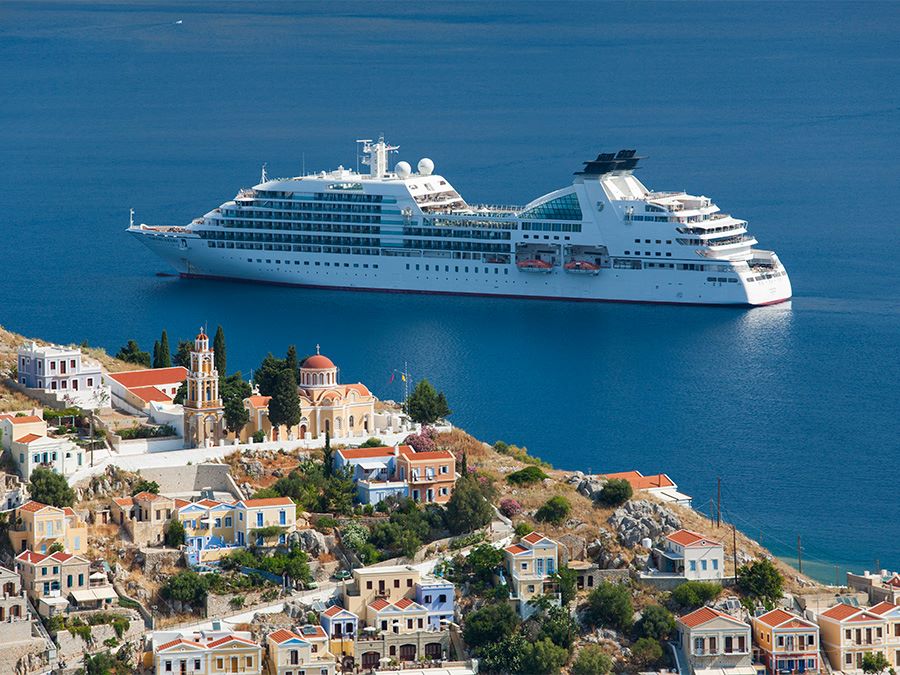



Cruise advice for seniors: what to know before you go
How can you enjoy the salt air in your lungs, the open ocean at your feet, exotic destinations and boundless entertainment, all without stepping foot on a plane? All aboard, it’s time to set sail on an overseas cruise!
Cruise travel for seniors comes with unique needs, including age limits, onboard medical access, and the right level of cover to protect your money, your trips, and your peace of mind.
The flexibility, comfort and ease of cruise holidays make them a popular way to explore overseas, especially for older travellers. In this quick guide to cruising for seniors, we outline how to start your planning, look into some popular destinations and offer a few clever tips to help you enjoy smooth sailing. Before booking, it’s worth getting a travel insurance quote early, so you can confirm age limits, coverage limits, and how pre-existing conditions may affect your policy.
Why go on a cruise?
Cruise holidays have great appeal to senior travellers for several reasons. They give you the flexibility to do as much or as little as you like, they’re a great way to meet like-minded people, and there are countless itineraries to choose from.
Cruises can also be far less physically and emotionally draining than your regular overseas trip; especially if you depart from a port in New Zealand. You can avoid all of the stress associated with flights, taxis, hotel bookings, buses and tours, and truly unwind while you’re guided across the seas.
You can even enjoy a domestic cruise around New Zealand if you are looking for a shorter trip or want to experience all that our country has to offer. Understanding your cover limits before departure helps avoid surprises if illness or an accident occurs onboard.
With fewer transit points and a controlled environment, cruises can reduce accident risk, but proper coverage remain essential in case of illness, evacuation, or unexpected cancellation.
Choosing the right cruise for you
Ready to start planning your dream holiday? When planning cruises, consider not just destinations, but also coverage needs, total cost, and whether your policy includes worldwide protection across all ports visited. Here are five questions to ask yourself while choosing a cruise destination.
1. How long do you want to travel?
Deciding on the timeframe of your trip will immediately narrow down the field of possibilities. Or if you’re looking for a week-long holiday, destinations like the South Pacific might be the best choice. However, if you’re open to a longer journey, then the USA or even an around the world cruise could be an option.
If you're looking for a shorter trip, you may want to stick to our own beautiful waterways or experience the coastline of New Zealand.
Longer trips may increase your coverage limit requirements, affect your premium, and influence how claims and reimbursement are handled if plans change.
If you’ve never been on a cruise before and are only testing the waters, consider booking a shorter trip in case it’s not your cup of tea after all.
2. Are you open to flying before you board?
Many people start their cruise adventure overseas, and head to an international port for their experience on the open seas. However, if you're someone who prefers not to travel by plane, you maybe limited to the international or domestic cruises that depart from domestic ports. If flights are involved, ensure your cover includes cancellation cover and applies from the moment your policy starts.
3. What weather suits you best?
4. Would you prefer an adults-focused experience?
Kids can be a lot of fun to be around, but if you’d prefer to unwind without feeling like you’re babysitting the grandkids, an adults-only cruise could be the right choice. If you can’t find an entirely adults-only cruise that suits your travel plans, don’t worry most cruise lines have kids-free areas onboard where you can put your feet up.
5. Are shore excursions important to you?
Cruises aren’t all about enjoying the serenity of the sea; onshore excursions can be a great way to explore cities when you reach the port. Think about the destinations you’d love to visit and whether these are accessible during your cruise. Some excursions carry a higher risk, so check whether your coverage applies off-ship and during organised activities
Three popular overseas cruise holidays
Now that we’ve covered the basics of planning your next trip, let’s look into three popular overseas cruise destinations for Kiwi travellers. Each destination can impact your premium, deductible, and evacuation requirements, particularly for worldwide itineraries.
1. Pacific Islands
Turquoise waters, dazzling reefs, idyllic islands and vibrant local cultures - it’s easy to see why the Pacific Islands are a premier cruising destination. Fiji, New Caledonia, Samoa and Vanuatu are among some of the most popular destinations in the Pacific, where cruises typically run for 7-12 nights.
2. Europe
If you’re interested in onshore excursions along charming city streets, a European cruise could be the perfect fit for you. Shorter European cruises will require you to fly to a closer port before you board, however, you can also find longer journeys departing from New Zealand, often travelling through Indonesia and other Asian countries.
3. USA and Canada
From the famous street corners of New York to the frigid coasts of Canada, American cruises are a bucket-list adventure for travellers from all around the world. As with European cruises, shorter US and Canada cruises will require you to fly to a closer port before beginning your journey onboard.
Practical tips for a cruise
Whether it’s your first cruise or your fifth, preparation can help you make the most of your time away.
1. Create a packing list
A detailed holiday packing list is essential for any trip. Items that can make your cruise more enjoyable include:
- Sunscreen
- Wide-brimmed hat
- Seasickness medication (always discuss your travel plans with your GP and seek their advice regarding medication)
- Hand sanitiser gel
- Earplugs to dampen motor noise at night
- A small portable fan if your cabin isn’t air-conditioned
- A nightlight for your cabin, especially if you’ve booked on the lower levels
- A dry pouch to keep electronics like your mobile phone and e-reader safe from splashes
- Binoculars
- Chapstick to protect your lips from the wind and sun
2. Book onboard entertainment activities in advance
Stage shows, music concerts and dining can usually be reserved well in advance of your departure date. Remember to check with your cruise provider and don’t delay when reservations become available
3. Be mindful of food safety
The quality of cuisine on most cruise ships is generally excellent, however always remember your basic food safety, especially at the buffet. Avoid hot food that has gone cold, and cold food that has gone warm.
4. Manage your medication
Understanding ever-evolving airport security rules, maintaining a correct dosage schedule and accounting for unfamiliar food and drink can make travelling with medication tricky. To manage your medication while cruising, remember to:
- Take prescription medication with you in case the infirmary is understocked.
- Discuss your travel plans with your GP well in advance of your departure date.
- Keep a list of your prescriptions and medication schedule with you at all times.
- Monitor time zone changes (many cruises leave reminder cards after cleaning your cabin).
5. Prioritise your health onboard
Your health should always be your number one priority while travelling. If you start to feel unwell, don’t hesitate to present yourself to the onboard medical centre.
Cruises have an unfortunate reputation as a breeding ground for bacteria, causing upset stomachs and other illnesses. But by exercising careful hygiene, you give yourself the best chance at staying healthy.An easy way to keep germs at bay on a cruise is to keep a small bottle of hand sanitiser with
you to clean your hands regularly throughout the day, especially before eating.
6. Look out for last-minute offers
Seniors with flexible travel dates can often take advantage of last-minute deals, where cruise providers offer considerable discounts to fill their cabins shortly before departure. Many of the majorcruise operators have a dedicated page of their website listing available discounted journeys.
Some cruise lines also offer discounts for senior citizens, including Royal Caribbean and Celebrity Cruises. Always confirm your cover, premium, and cancellation cover before booking discounted trips to avoid unexpected out-of-pocket costs.
Final considerations before you set sail
It’s important to remember our cruise cover add on only applies while you’re on your cruise, with your standard policy covering your journey before and after. Short transit stops of under 48 hours are automatically covered and do not need to be listed as destinations.
The content of this article is general and provided for information purposes only. Southern Cross Travel Insurance (SCTI) doesn’t guarantee or warrant the accuracy, completeness or currency of any article.
This article may contain hyperlinks to other websites owned or operated by third parties, or references to third party products or services. SCTI isn’t responsible for, and makes no recommendation about, the content or accuracy of any third party website, or for the suitability or performance of any product or service. The inclusion of a link in this article doesn’t imply that SCTI endorses the website or third party product/service.